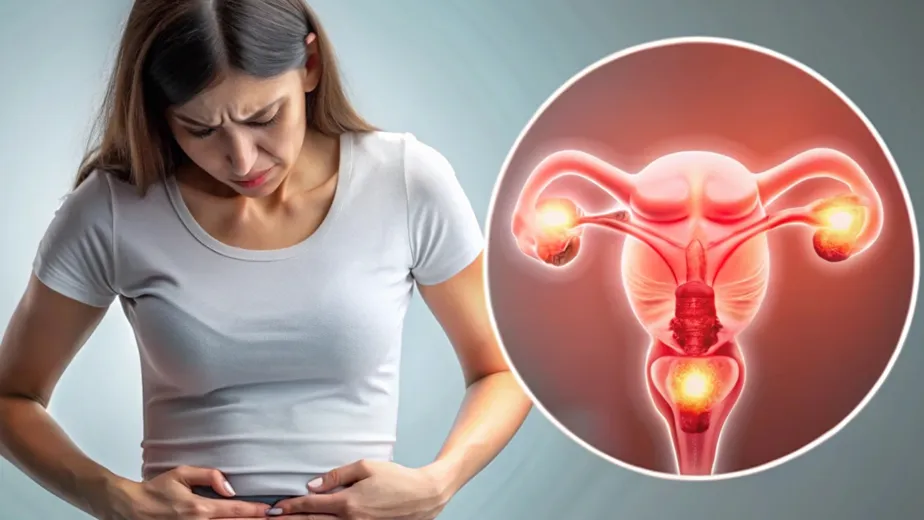
Glucagon-like peptide‑1 (GLP‑1)–based drugs such as tirzepatide (Mounjaro/Zepbound) are emerging as promising adjuncts in polycystic ovary syndrome (PCOS) management, mainly by targeting obesity and insulin resistance rather than PCOS itself. They remain off‑label for PCOS, but growing data with GLP‑1 receptor agonists and dual agonists suggest meaningful benefits in weight, metabolic health, and possibly reproductive function when used judiciously within a broader lifestyle‑centered care plan.
PCOS: metabolic lens
PCOS affects an estimated 6–20% of reproductive‑age women and is characterized by hyperandrogenism, ovulatory dysfunction, and typical ovarian morphology on ultrasound. Beyond reproductive features, PCOS is strongly linked with obesity, insulin resistance, impaired glucose tolerance, type 2 diabetes, dyslipidemia, and elevated cardiovascular risk.
These metabolic abnormalities are not just comorbidities; they amplify hyperandrogenism, anovulation, and long‑term risks such as endometrial cancer, making metabolic optimization a central pillar of PCOS care.
How GLP‑1–based drugs work
Classical GLP‑1 receptor agonists (GLP‑1 RAs) mimic the endogenous incretin GLP‑1, enhancing glucose‑dependent insulin secretion, suppressing glucagon, slowing gastric emptying, and reducing appetite. Dual and multi‑agonists like tirzepatide activate GLP‑1 and glucose‑dependent insulinotropic polypeptide (GIP) receptors, delivering greater weight loss and insulin‑sensitizing effects than GLP‑1–only agents in obesity and diabetes populations.
In women with PCOS, these mechanisms translate into:
- Reduced energy intake and clinically significant weight loss.
- Improved insulin sensitivity and fasting/post‑prandial glycemia.
- Downstream reductions in circulating insulin and, secondarily, androgen levels.
Evidence for GLP‑1 RAs in PCOS
Randomized trials and meta‑analyses in women with PCOS treated with GLP‑1 RAs (e.g., liraglutide, exenatide, semaglutide) show consistent metabolic gains. Key findings include:
Weight and adiposity
- Significant reductions in body weight, BMI, waist circumference, and fat mass compared with baseline and versus metformin alone.
- GLP‑1 RA + metformin outperform metformin monotherapy in lowering weight and central adiposity without excess serious adverse events.
Insulin resistance and glycemia
- Improvements in fasting glucose, HOMA‑IR, and overall insulin sensitivity, sometimes superior to metformin.
- Better glucose handling and reduced progression toward type 2 diabetes in high‑risk PCOS phenotypes.
Hormonal and reproductive parameters
- Increased menstrual frequency and improved ovulatory function in obese PCOS cohorts treated with GLP‑1 RAs.
- Reductions in total testosterone and improvements in sex hormone–binding globulin (SHBG) and hyperandrogenic symptoms reported in several trials.
- Some studies suggest improved inflammatory and adipokine profiles (e.g., higher adiponectin), which may further support reproductive health and cardiometabolic risk reduction.
Collectively, current data position GLP‑1 RAs as a powerful tool for the metabolic phenotype of PCOS, particularly in women with overweight/obesity and significant insulin resistance.
GLP‑1 RAs versus metformin in PCOS
| Domain | GLP‑1 receptor agonists | Metformin | Combination GLP‑1 + metformin |
| Weight loss | Greater and more consistent reductions in weight and waist circumference. | Modest, often plateauing; variable between individuals. | Superior to either alone for weight and central adiposity. |
| Insulin sensitivity | Marked improvement in HOMA‑IR and fasting glucose; sometimes superior to metformin. | Established insulin sensitizer; standard first‑line. | Additive or synergistic improvements in insulin resistance. |
| Menstrual/ovulatory function | Increased menstrual frequency and ovulation rates in obese PCOS. | Improves cycles in some, but effect can be limited. | May further enhance cycle regularity by deeper metabolic correction. |
| Androgen profile | Reductions in testosterone and improved SHBG in several studies. | Modest impact on androgens. | Greater hormonal normalization than metformin alone. |
| Adverse effects | More nausea, vomiting, headache; GI side effects generally dose‑dependent. | GI upset, B12 deficiency with long‑term use. | Tolerability acceptable; adverse events similar overall to metformin alone in meta‑analyses. |
Tirzepatide (Mounjaro/Zepbound) and PCOS
Tirzepatide is a dual GLP‑1/GIP receptor agonist approved for type 2 diabetes and obesity, marketed as Mounjaro and, for obesity, Zepbound in some regions. It produces greater weight loss and improvements in insulin sensitivity than traditional GLP‑1 RAs in non‑PCOS populations, with somewhat attenuated GI side effects due to its dual‑agonist profile.
Emerging clinical commentary highlights that in women with PCOS and obesity, tirzepatide‑induced weight loss often coincides with:
- Higher frequency of spontaneous menses and more predictable cycles.
- Decreases in insulin requirements and markers of insulin resistance.
- Downtrending testosterone and improved ovulatory potential, indirectly supporting fertility and response to ovulation‑induction or IVF.
Because of possible fetal risk and limited pregnancy data, experts advise discontinuing GLP‑1–based therapies, including tirzepatide, at least 2–3 months before attempting conception, aligning with drug washout periods and oocyte maturation timelines.
Practical place in PCOS management
Contemporary guidance and expert reviews suggest GLP‑1–based agents can be considered in women with PCOS who have significant metabolic burden, after lifestyle optimization and often after metformin. Typical candidates include:
- BMI ≥27–30 kg/m² with central obesity, especially with prediabetes or type 2 diabetes.
- Marked insulin resistance, dysglycemia, or failure to achieve weight/metabolic goals with lifestyle and metformin alone.
- Hyperandrogenic or anovulatory phenotypes where metabolic contributors are prominent.
Key clinical considerations:
- Dosing and titration: Weekly subcutaneous administration with gradual up‑titration to minimize GI side effects such as nausea, vomiting, early satiety, and diarrhea.
- Monitoring: Weight, waist circumference, blood pressure, glycemic parameters, lipid profile, liver function, and, in appropriate patients, menstrual cyclicity, ovulation, and androgen profile.
- Safety: Avoid or use extreme caution in patients with a history of medullary thyroid carcinoma or MEN2, pancreatitis, severe GI disease, or eating disorders.
- Fertility planning: Coordinate with reproductive goals; stop therapy pre‑conception and transition to pregnancy‑safe alternatives while maintaining lifestyle and, where appropriate, metformin.
Integrating into a holistic plan
GLP‑1–based drugs should complement, not replace, foundational PCOS strategies:
- Energy‑appropriate nutrition emphasizing whole foods, lower glycemic load, and adequate protein.
- Regular resistance and aerobic exercise to augment insulin sensitivity.
- Sleep optimization, stress management, and targeted therapy for mood disorders, which commonly coexist with PCOS.
When thoughtfully integrated, GLP‑1 RAs and dual agonists such as tirzepatide can serve as high‑impact tools to reset the metabolic milieu of PCOS, which then cascades into better cycles, reduced hyperandrogenism, and improved long‑term cardiometabolic health.