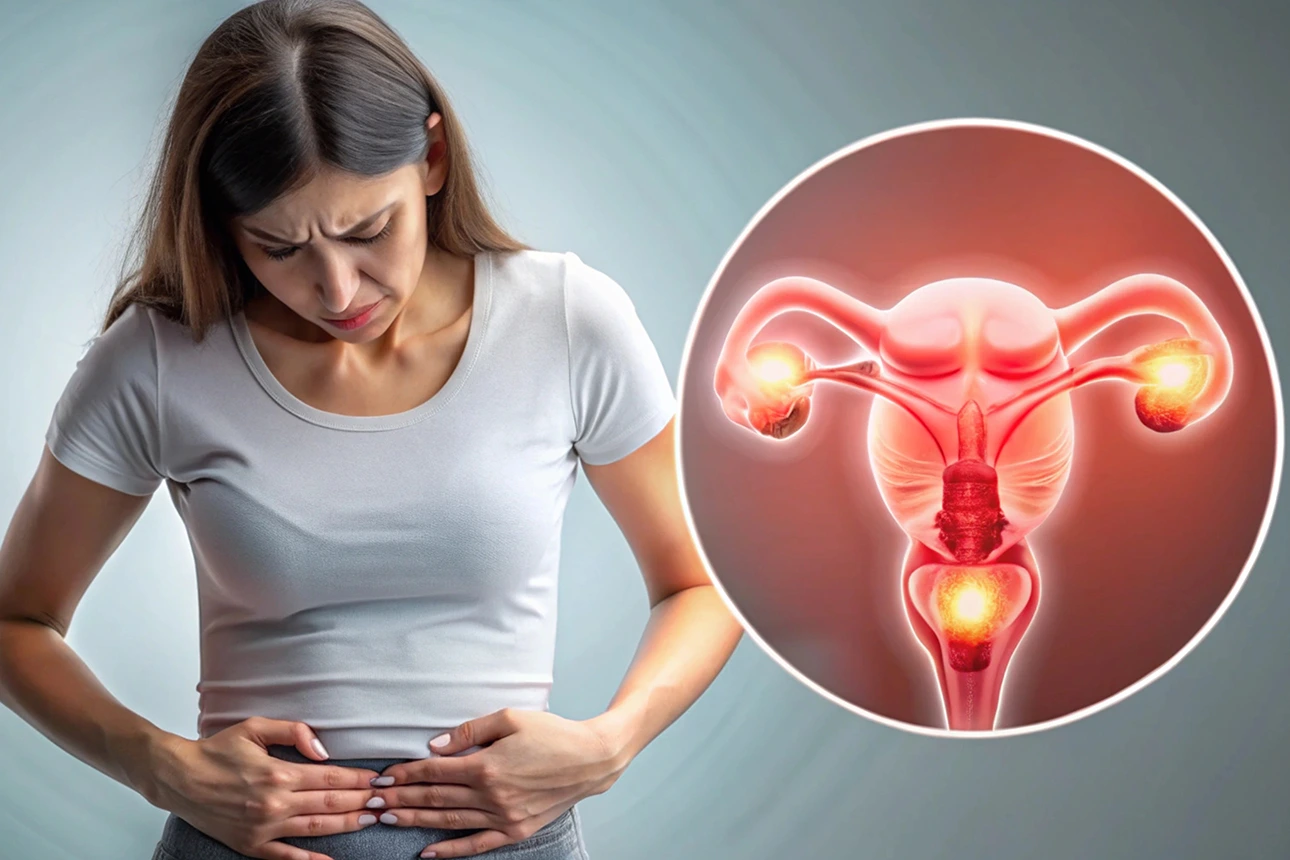
Introduction
Polycystic Ovary Syndrome (PCOS) affects one in every ten women of reproductive age, yet, for many, it remains misunderstood and oversimplified. Too often, it’s seen as just a period problem or a fertility issue.
But PCOS is far more complex. It’s a whole-body condition, involving hormonal imbalance, metabolic changes, and emotional challenges that affect daily life far beyond the menstrual cycle.
The Metabolic Side of PCOS
Behind the missed or irregular periods, PCOS deeply affects how the body manages energy. The core issue often lies in insulin resistance, where the body doesn’t respond effectively to insulin, leading to higher blood sugar levels. Over time, this can cause weight fluctuations, fatigue, sugar cravings, and even increase the risk of type 2 diabetes.
But it’s important to remember: PCOS isn’t caused by poor habits or lack of discipline. It’s a medical condition influenced by genetics, hormones, and environment.
The good news is that targeted care, including balanced nutrition, regular exercise, and medical support, can help restore hormonal and metabolic harmony.
The Mind-Body Connection
PCOS also affects how women feel. The hormonal fluctuations linked to PCOS can impact brain chemistry, often leading to mood swings, anxiety, and even depression.
Studies show that women with PCOS are three times more likely to experience symptoms of anxiety or emotional distress. The constant worry about appearance, weight, fertility, or social judgment adds emotional pressure that many silently carry.
At LIVF.Women, we’ve learned that mental health support is as essential as medical treatment. Our approach combines counselling, mindfulness support, and self-awareness tools to help women rebuild confidence and emotional resilience.
Why Awareness Matters
One of the biggest challenges in PCOS care is late diagnosis. Many women spend years being told that irregular periods are “normal” or that they’ll “grow out of it.” By the time PCOS is diagnosed, its effects may have already influenced fertility, metabolism, or emotional health.
Early diagnosis can make a world of difference.
Identifying hormonal patterns early allows women to:
- Understand their body’s signals
- Prevent long-term complications like diabetes or high cholesterol
- Make informed decisions about fertility planning
Awareness also reduces stigma. PCOS doesn’t mean something is “wrong” with you; it simply means your body needs a more personalised approach to balance.